

Knee Pain
Knee pain can make a flight of stairs feel longer, turn a short walk into a challenge, or interrupt your usual exercise routine. Some people notice aching around the kneecap, while others feel stiffness or discomfort after sitting.
At Boost Integrated Medical Center, we help patients in Reno explore personalized care for knee pain and movement limitations.
We assess your symptoms before recommending treatment. Depending on the findings, your plan may include physical rehabilitation, appropriate chiropractic care, massage therapy, and treatment for an identified muscular pain source.
The focus is on supporting function and matching care to your condition.
Don’t suffer from knee pain, let us help!
Contact us to learn more about our pain relief treatments
(775) 525-5624
Knee Pain on Stairs and During Walking
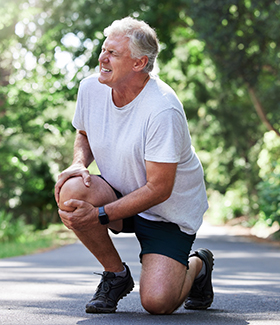
Stairs place different demands on your leg than level walking. You may notice pain when going down, pushing up, or bending the knee repeatedly. We ask which part of the movement causes trouble and whether you have changed how you use the stairs.
Walking symptoms also offer useful information. Does discomfort begin immediately or after a certain distance? Is the knee stiff when you first stand up? Are you shortening your stride or relying more heavily on the other leg?
These details connect your examination with meaningful goals. A treatment plan should help you work toward the tasks you need to do, rather than focusing only on how the knee feels during an appointment.
Understanding What May Cause Knee Pain
The knee works with nearby muscles, tendons, ligaments, and cartilage to support daily movement. Overuse, arthritis, tendon irritation, and injuries can all contribute to discomfort. Movement at the hip or ankle may also influence the demands placed on the knee.
Tell us about the pattern of your symptoms:
- Pain around the kneecap during stairs or squatting.
- Discomfort that began after a twisting injury.
- Swelling or difficulty fully bending the knee.
- Locking or a feeling that the knee may give way.
These patterns can require different assessments.
An evaluation helps determine whether conservative knee pain care is suitable. Some injuries require imaging or an orthopedic assessment, particularly when symptoms suggest a significant structural problem.
Building Strength for Stairs and Walking
Physical rehabilitation may address leg strength, knee mobility, balance, and movement control. Depending on your needs, exercises can involve the muscles around the knee as well as the hips and ankles.
Rehabilitation can be organized around three practical stages:
- Establish a starting level of movement you can tolerate.
- Practice the strength and control needed for tasks such as stairs.
- Gradually increase activity demands, including walking time, as appropriate.
Your symptoms and goals guide the pace of progression.
 Technique and pacing matter. Repeating an exercise through sharp pain can make it harder to stay consistent. Tell us about swelling, worsening discomfort, or a change in stability so recommendations can be reconsidered.
Chiropractic care may be considered when joint restrictions or related musculoskeletal findings are appropriate for manual treatment. Your evaluation helps determine whether that approach fits the specific knee problem.
We also consider how neighboring areas move. Hip stiffness or limited ankle movement may affect certain tasks, but these findings should be interpreted alongside the knee symptoms and diagnosis.
Manual care may complement rehabilitation when appropriate. It does not repair a torn ligament or remove the need for medical assessment when the knee is unstable, locked, or significantly injured.
Massage and Trigger Point Treatment
Muscle tightness in the thigh or calf can occur alongside knee pain. Massage therapy may help ease associated muscular soreness and make participation in a broader care plan more comfortable for some patients.
Trigger point injections may be discussed if a separate examination identifies painful muscle areas contributing to symptoms. These are injections for muscle pain, not injections intended to rebuild knee cartilage or treat every source of joint discomfort.
Your provider will explain why a treatment is being considered, its relevant risks, and how progress will be assessed. A plan should remain focused on your diagnosis and daily function.
Managing Knee Symptoms Between Visits
Activity changes may include reducing repeated deep bending, breaking longer walks into shorter sessions, or modifying exercise that repeatedly provokes symptoms. Recommendations depend on your condition and goals.
Seek prompt medical care for an inability to bear weight after injury, a locked knee, or a hot swollen joint with fever. New calf swelling or pain also needs medical assessment. Report persistent swelling or repeated episodes of giving way.
Schedule Knee Pain Care in Reno
For knee pain treatment in Reno, NV, contact Boost Integrated Medical Center at (775) 525-5624. Schedule an evaluation to discuss your symptoms and appropriate options for improving daily movement.